
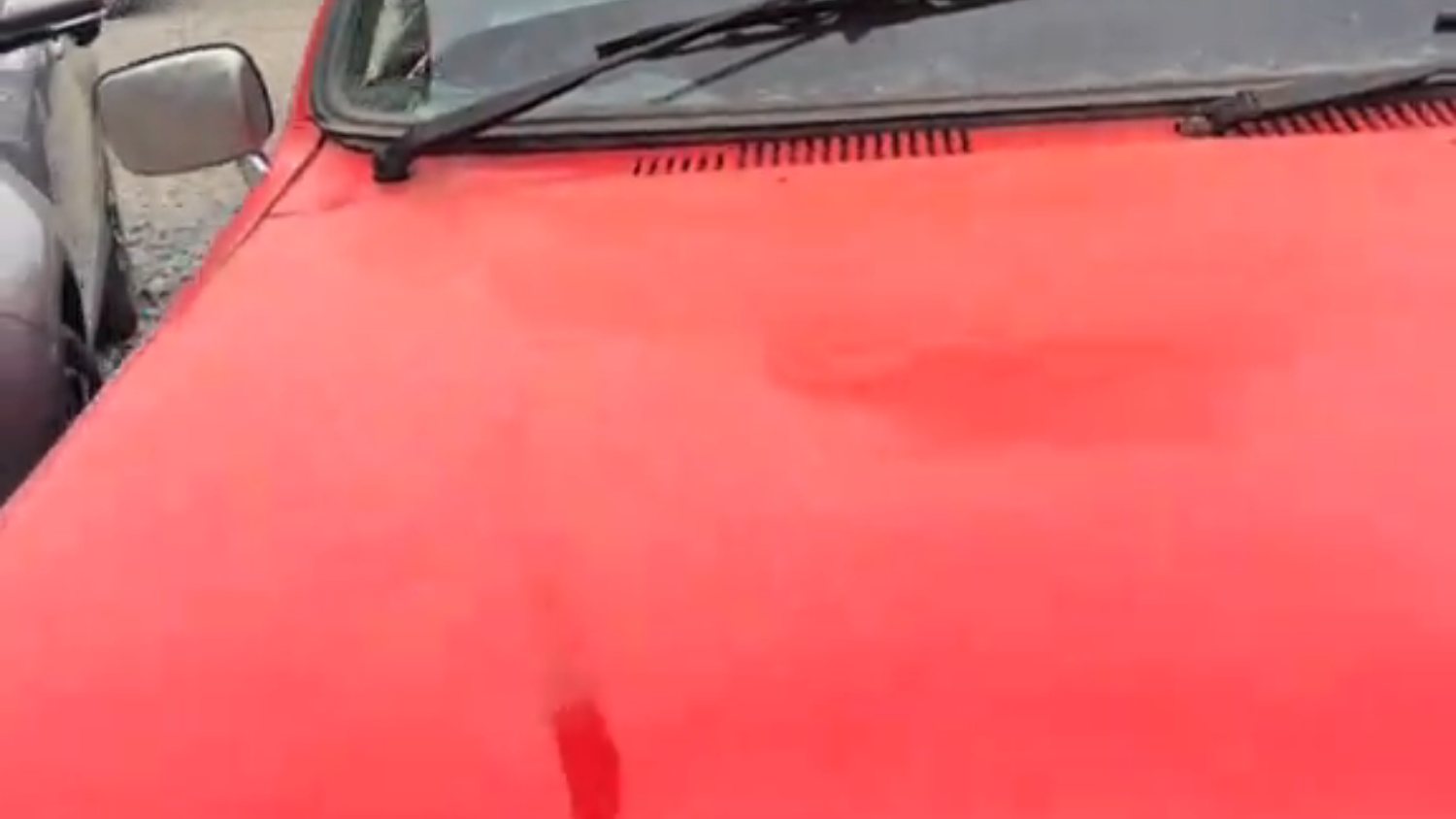
Most abandoned project cars were not abandoned because the owner stopped caring. They were abandoned because the work was planned as a single enormous bill instead of a sequence of manageable stages.
Stage 1: Survey and strip-down
Before anything is ordered or painted, the vehicle is documented as found. Every rust patch, every missing part and every previous repair is photographed. This survey is what turns an open-ended project into a plan — and it usually changes the plan you started with.
Stage 2: Structure and metalwork
Rust removal, cutting out, fabrication and welding come before paint. This is the most honest stage in a restoration: whatever is under the paint has to be dealt with now, because you are not going to revisit it later.
Stage 3: Mechanical
Engine, gearbox, brakes, suspension and cooling. Doing mechanical work before final paint means there is no risk of a dropped tool or a brake-fluid spill spoiling fresh paint.
Stage 4: Paint and body finish
With the structure solid and the mechanics sound, the body is prepared and painted. Period-correct colour and finish matter far more on a classic than on a modern car.
Stage 5: Trim, reassembly and commissioning
Chrome, glass, interior, wiring and badges. Then the careful part: driving it, listening to it, and fixing the small things that only appear once the car is back on the road.
Plan for the surprises
Budget a contingency. Sourcing rare parts takes time, and every restoration finds at least one thing nobody expected. A project that allows for that finishes. One that does not, stalls.